
A strong restaurant web design pairs appetizing photography and a readable menu with the technical basics: a mobile-friendly layout, fast loading, localized restaurant SEO, and clean navigation. The 20 examples below show how real restaurants get all of it right.
20 best restaurant website design examples
Looking at real examples is the fastest way to see what works (and what doesn’t) in restaurant web design. These sites prove that your homepage can do more than just list a menu. It can actually make people hungry, show off your vibe, and get butts in seats.
Check out these real restaurant website examples, from the Framer Gallery:
1. NKORA
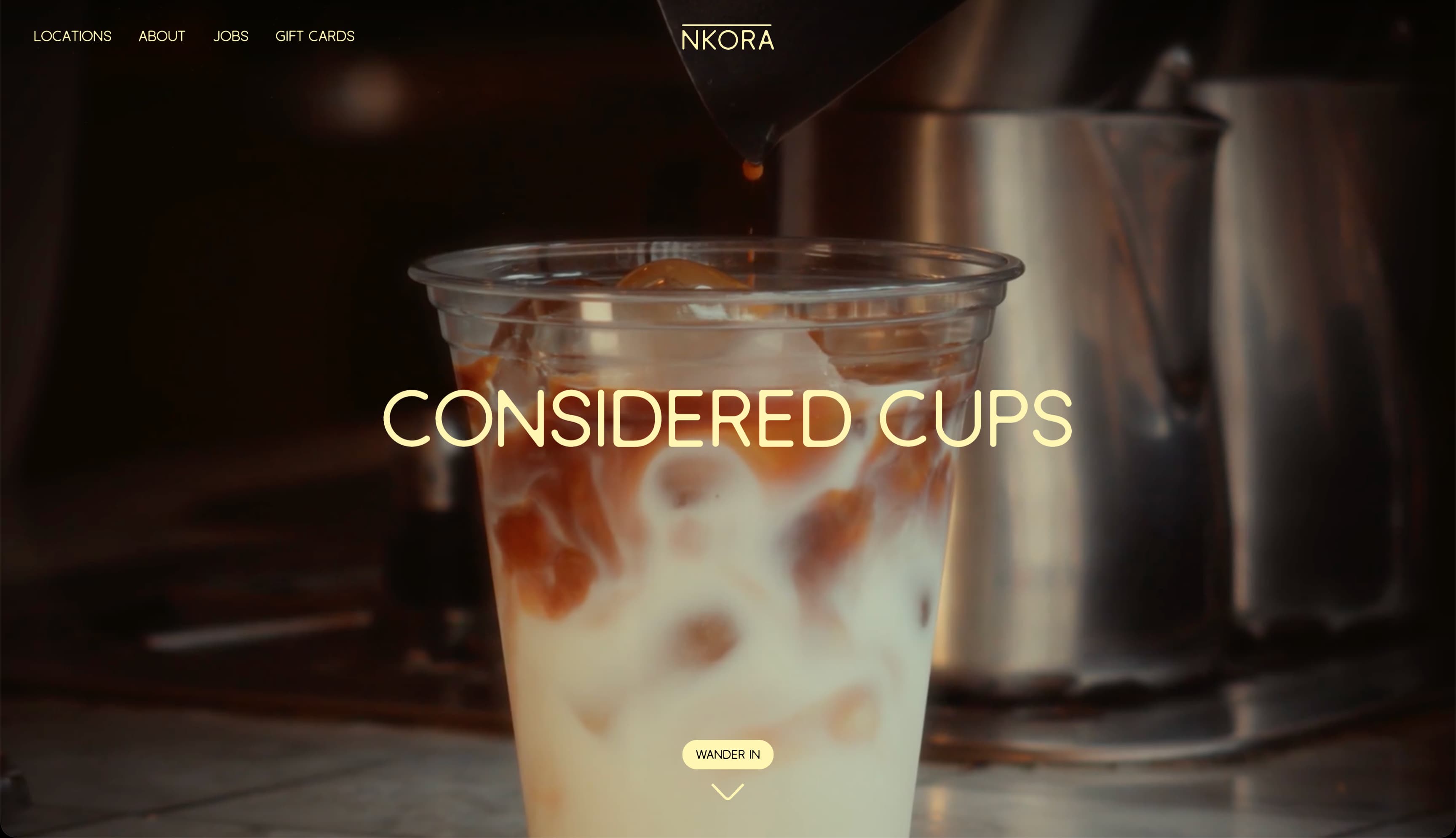
NKORA nails that chic-but-not-pretentious look every modern restaurant aims to capture. The site uses clean lines and drool-worthy food photography to set an immediate, upscale aesthetic without overwhelming you with details. It’s like scrolling through an art gallery that just happens to serve a killer brunch.
Best for: Minimalist cafés or contemporary bistros that want to look effortlessly high-end while staying warm and approachable.
2. Nuff
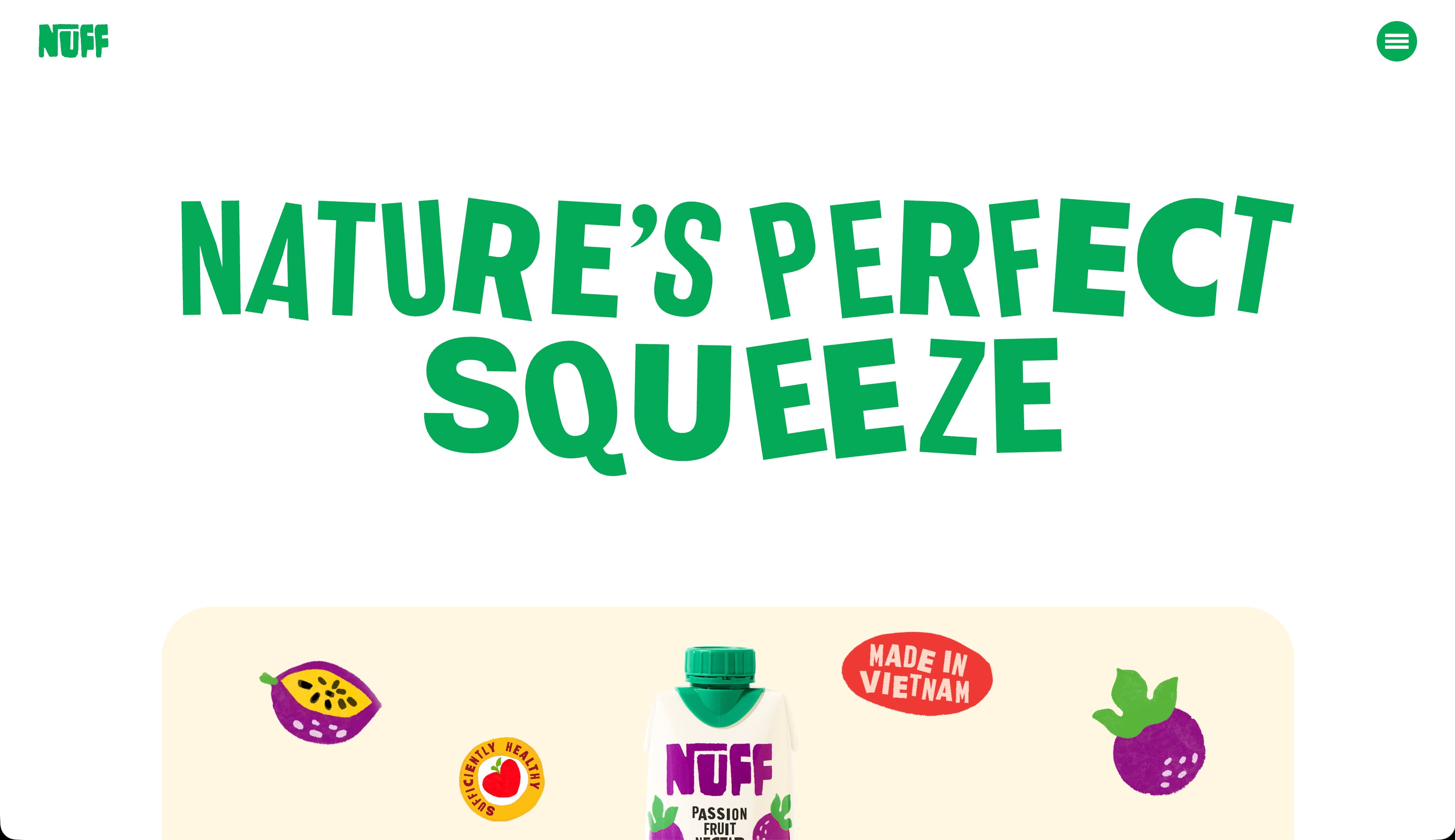
If fonts could dance, Nuff’s bold typography would be salsa dancing across your screen. Paired with electric colors, the design feels alive and playful while still making it easy to book a table or peek at the menu. It’s a masterclass in balancing brand personality with usability.
Best for: Funky bars or street-food spots where energy and vibe are as important as the menu itself.
3. Deleito
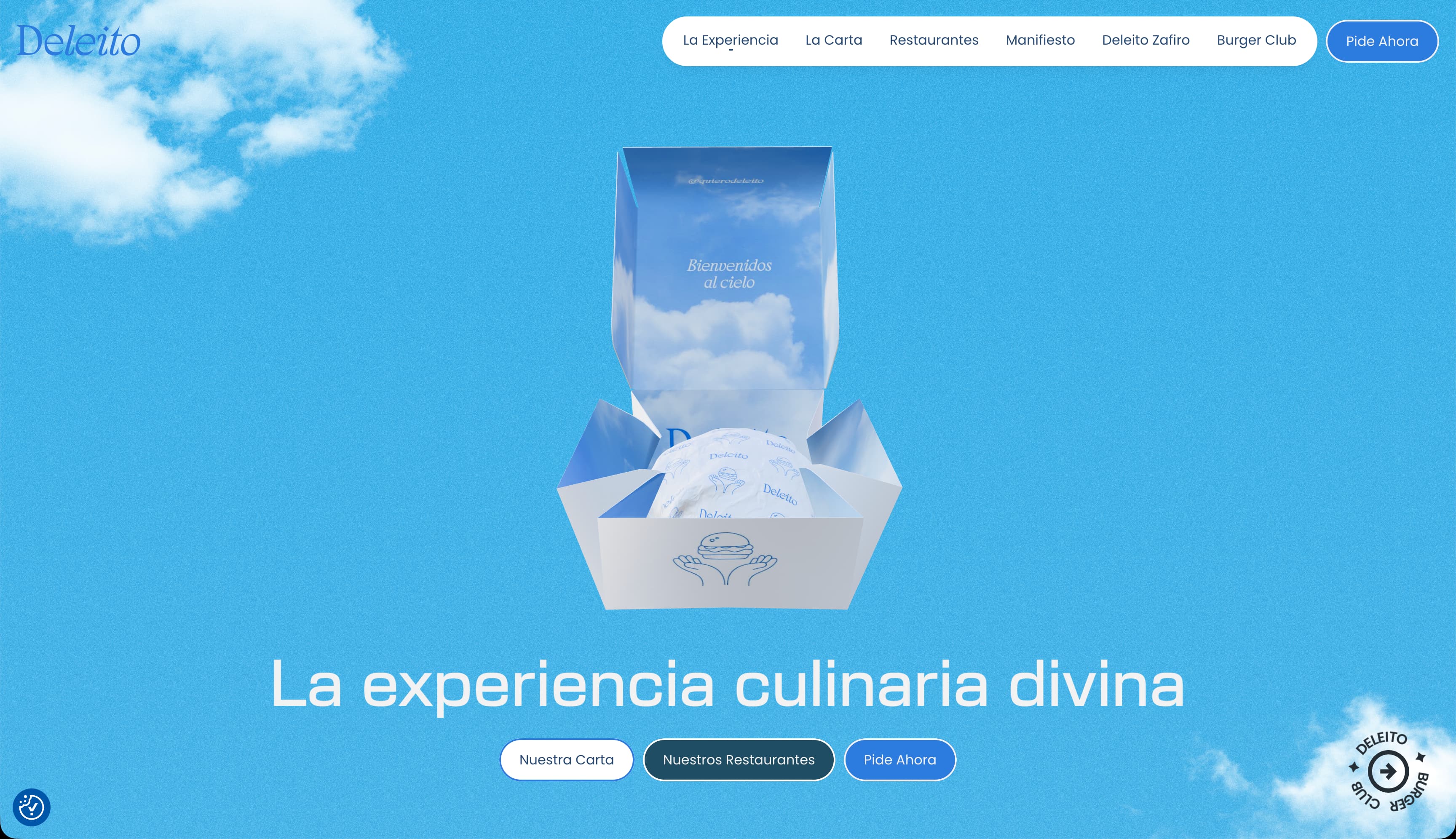
Deleito leans into elegance with refined typography and imagery that feels editorial. The layout keeps the menu front and center without losing its luxurious, polished vibe. You can practically taste the attention to detail in every scroll of the page.
Best for: Fine dining restaurants or chef-driven tasting menus.
4. Feastie
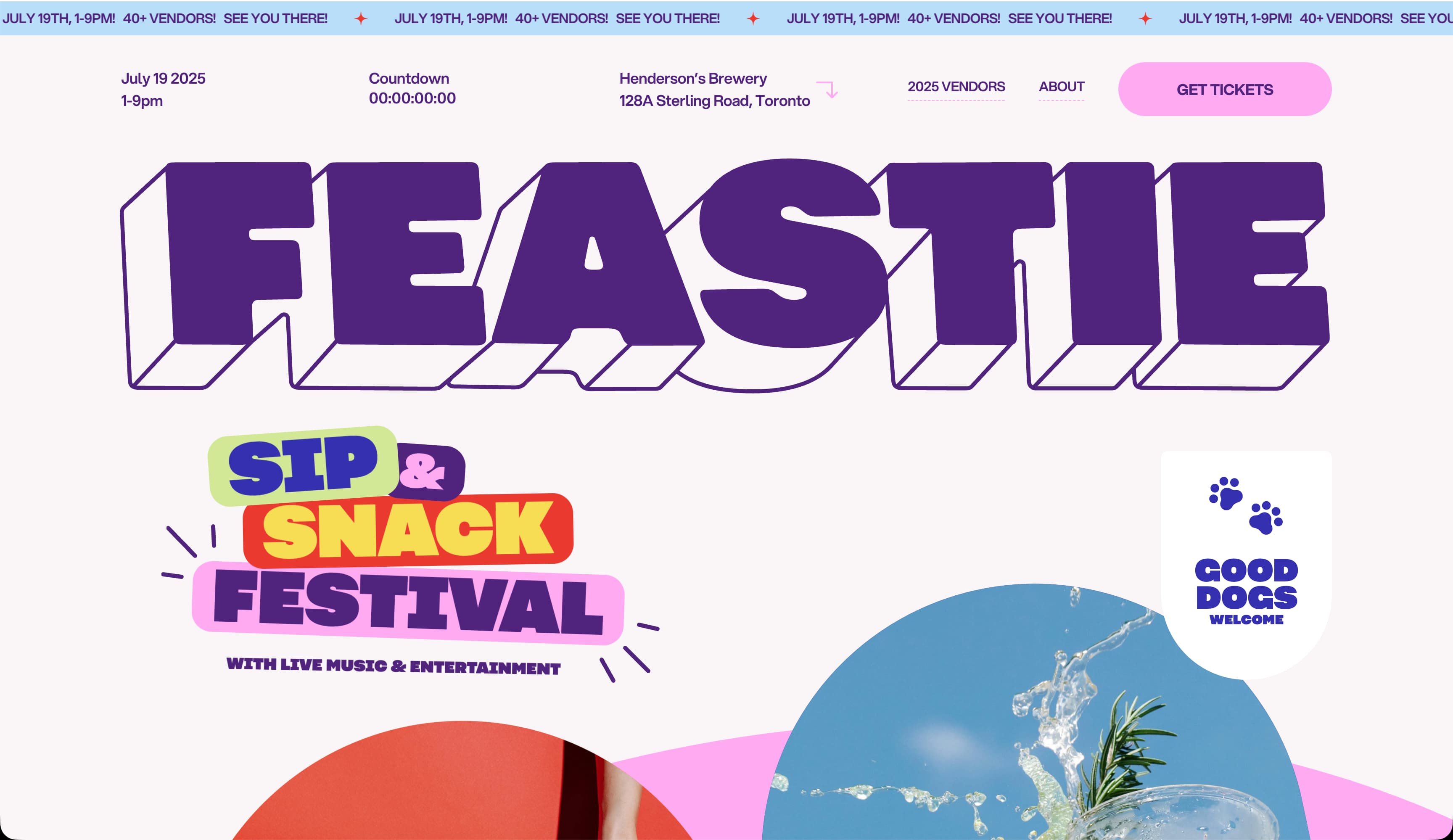
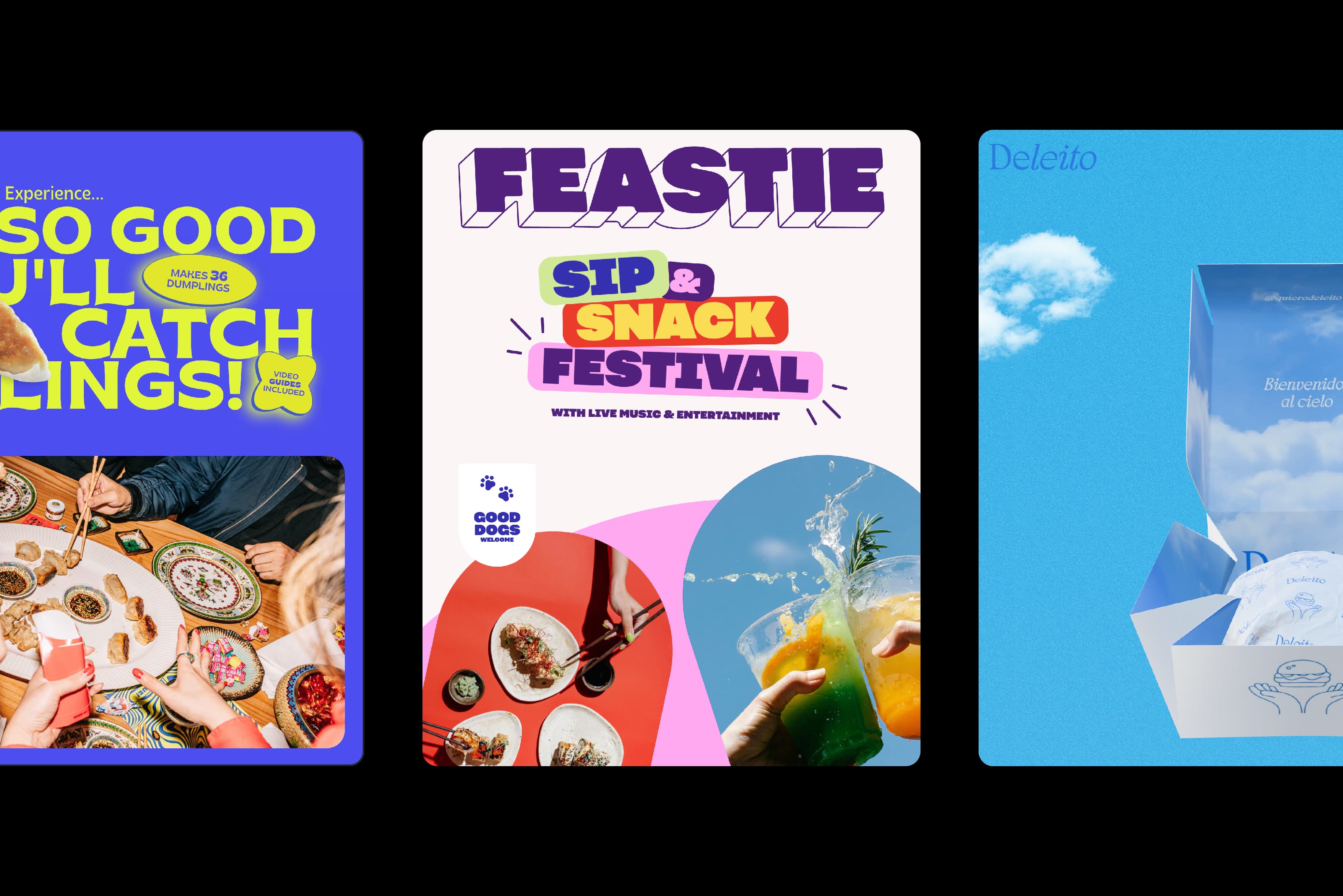
Feastie knows food photography is the real star. The site hits you with vibrant dish shots while keeping reservations and menus one click away. The whole experience feels like flipping through a glossy, beautifully produced cookbook you can actually eat from.
Best for: Family-friendly eateries and brunch spots with visual menu appeal.
5. Tapdaa
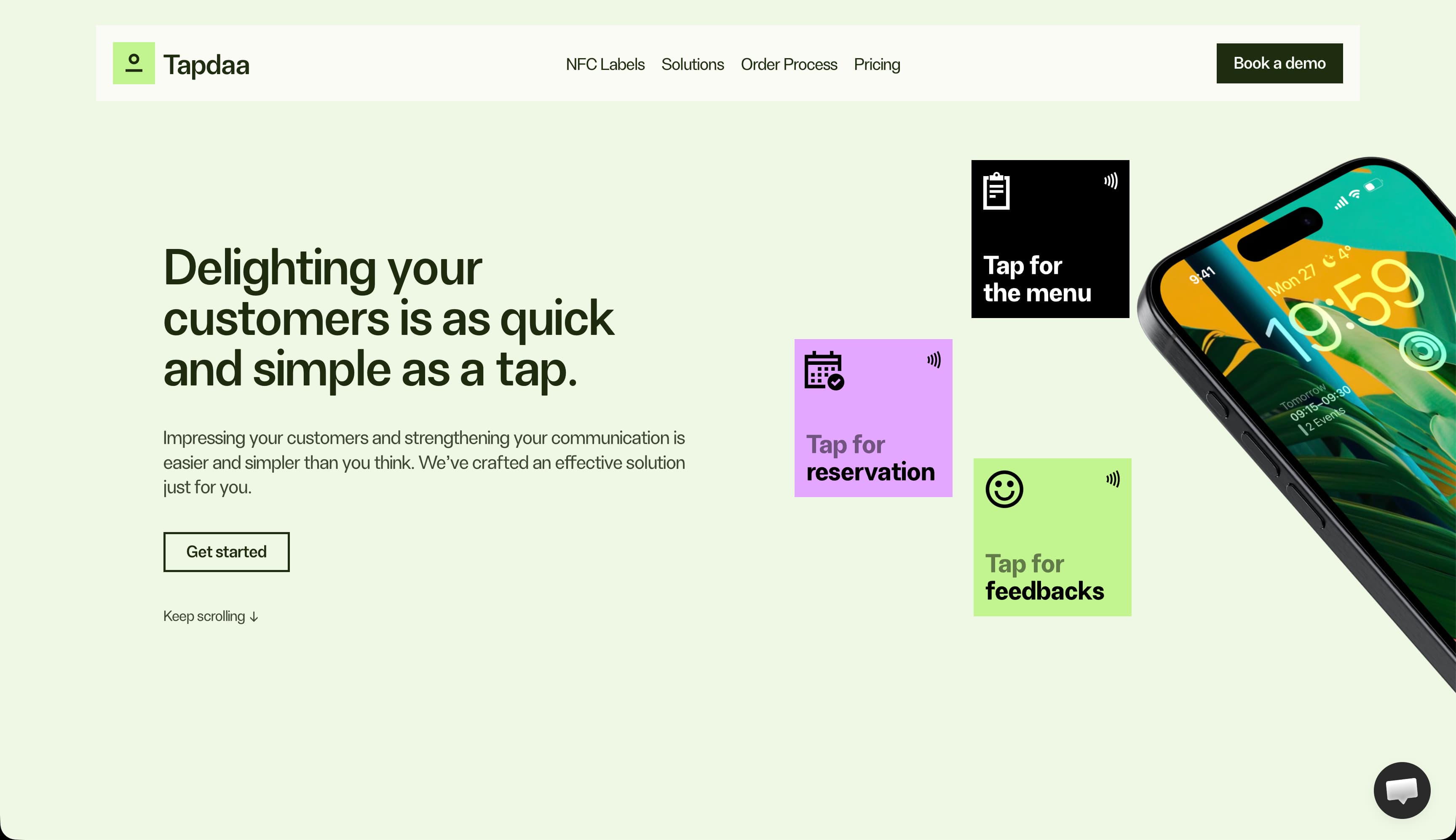
Tapdaa strips back the fuss with clean lines and a focus on flow. Everything, from finding the menu to making a booking, feels quick and frictionless. It’s proof that simple doesn’t mean boring.
Best for: Fast-casual restaurants that value efficiency over frills.
6. Thirsty Dumpling
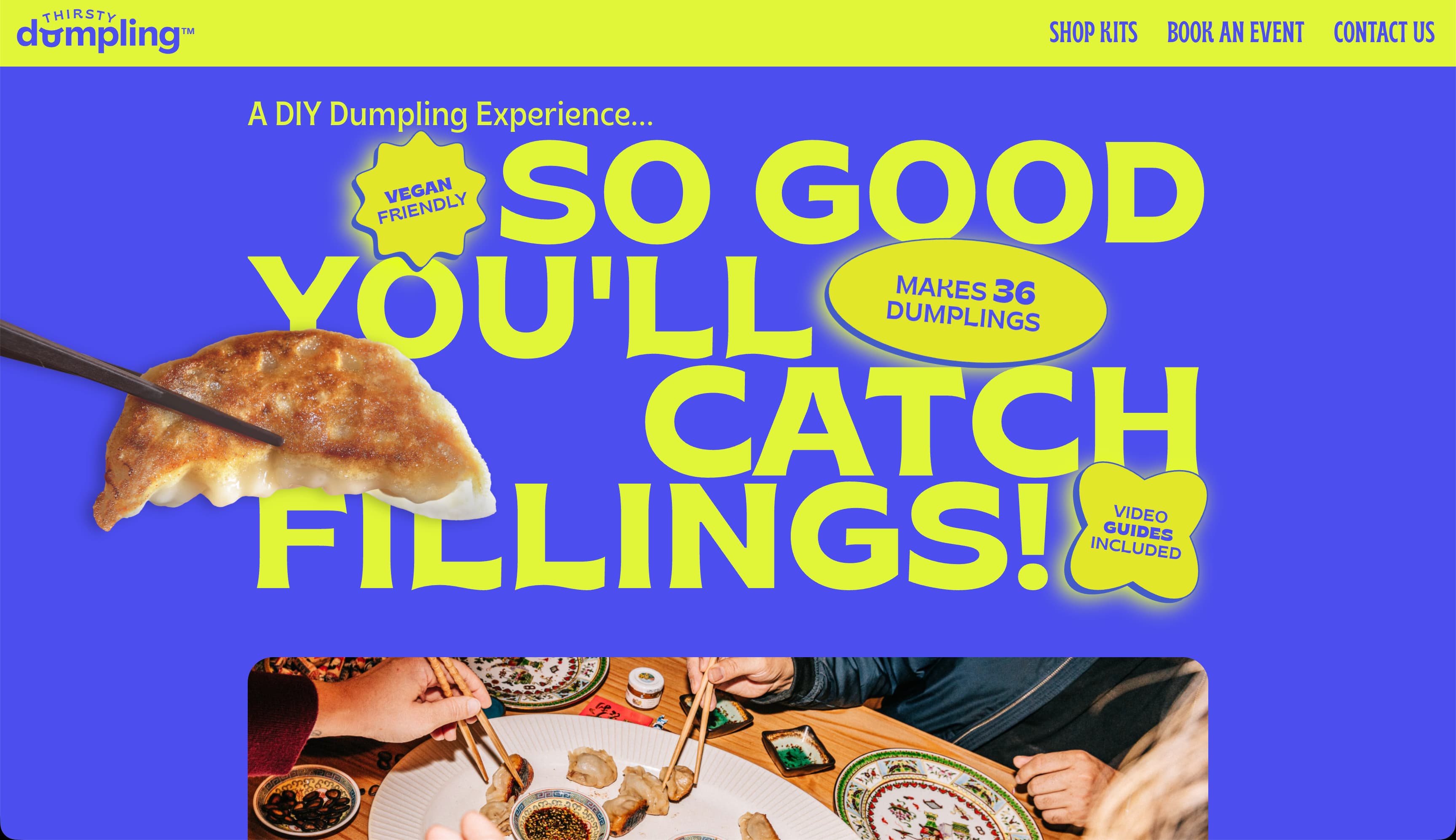
This one wins on authenticity. Thirsty Dumpling blends cultural cues with modern usability, giving you the feel of a neighborhood spot while still offering slick digital ordering. Tradition meets 2026 web standards.
Best for: Dumpling shops, noodle houses, or culturally rooted restaurants.
7. Pimpinella
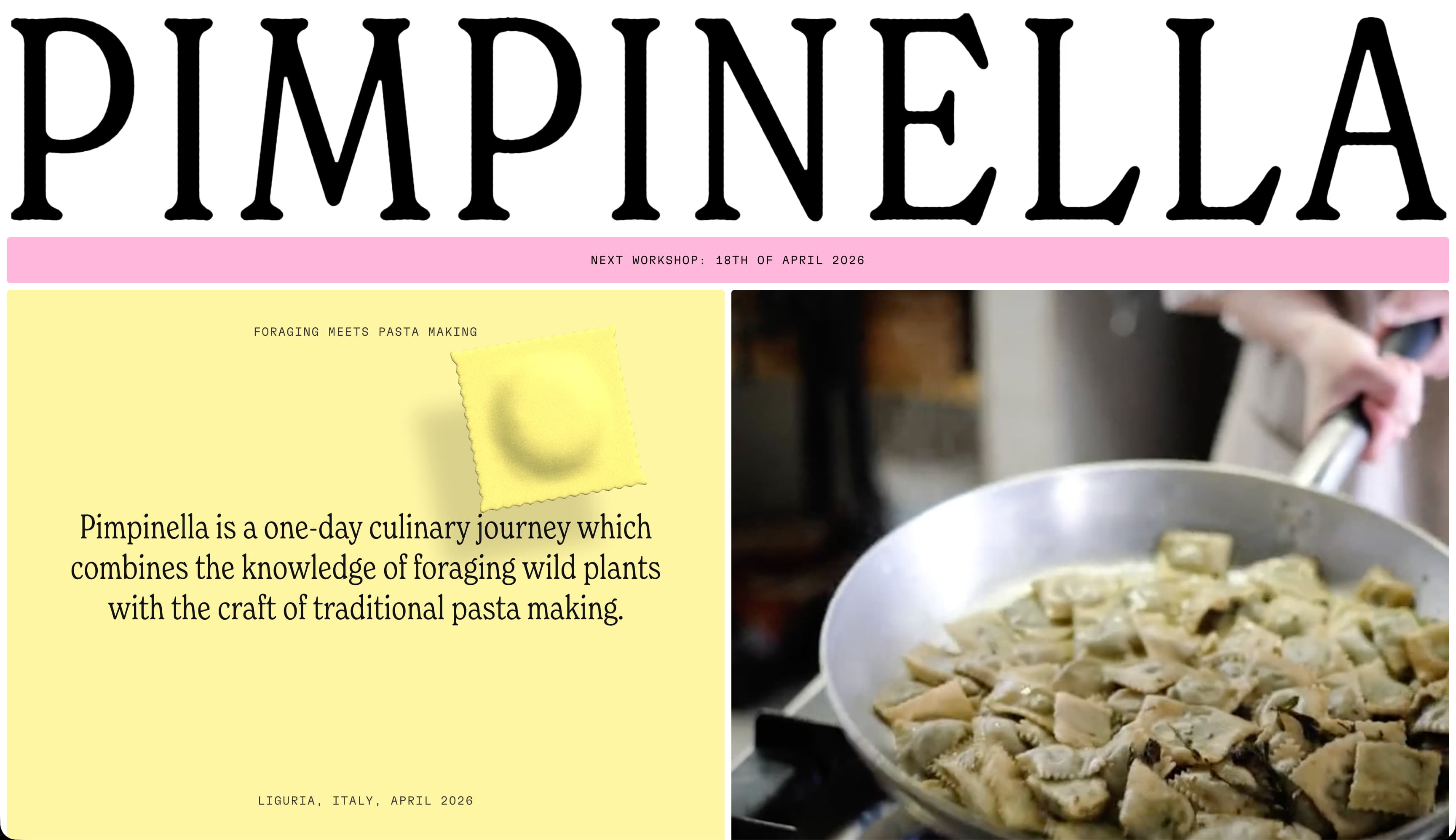
Here, the cooking process itself takes the spotlight. The site leans into storytelling and behind-the-scenes imagery, drawing food lovers into the craft. It’s a digital love letter to anyone who geeks out over technique.
Best for: Chef-owned restaurants or culinary schools.
8. Donut Shop
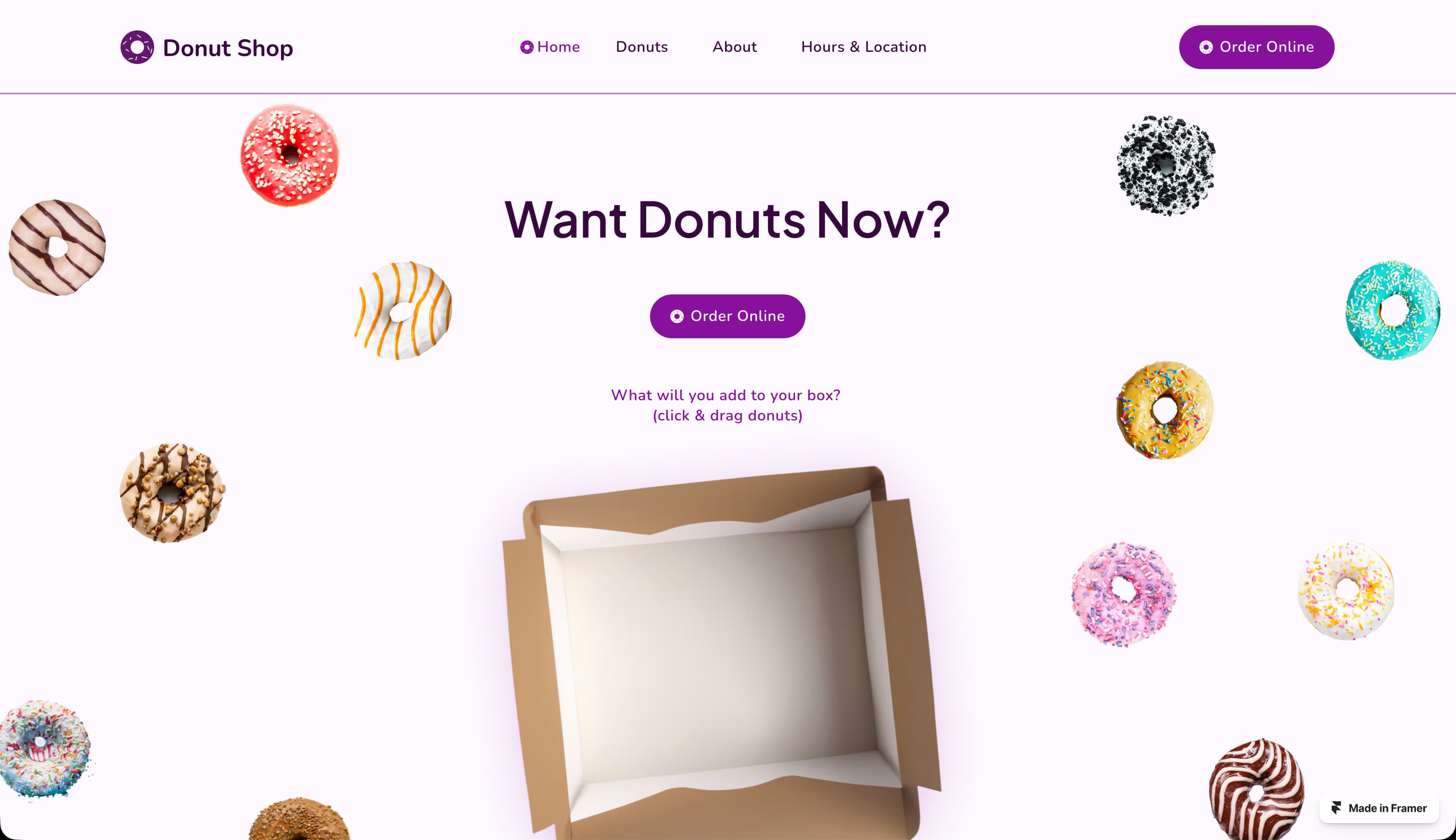
Donut Shop is a sugar rush design done right. Bright colors, cheeky copy, and irresistible product photos make ordering feel fun instead of transactional. This site knows your sweet tooth is just one click away.
Best for: Bakeries, dessert shops, or specialty snack brands.
9. The Den
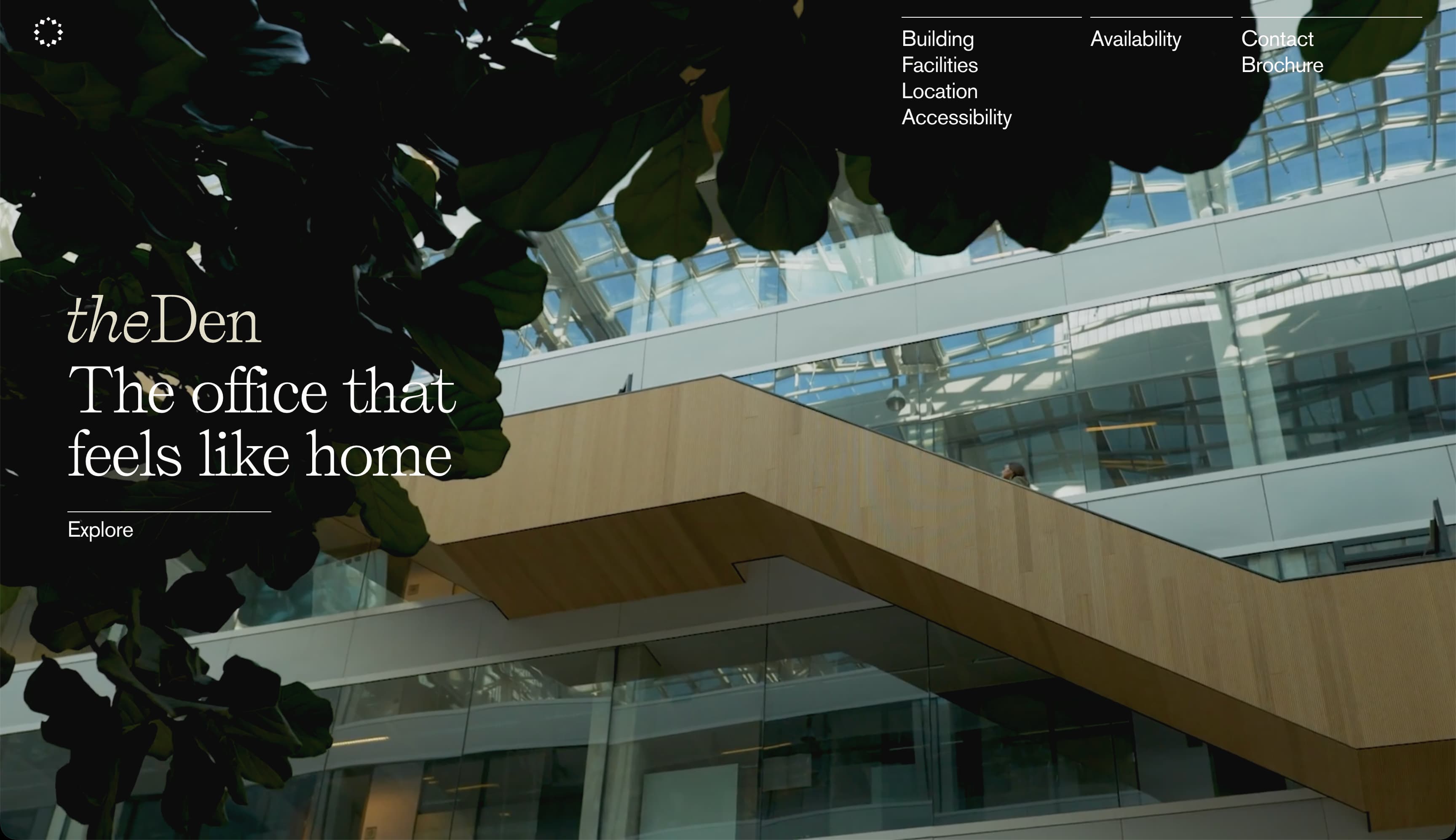
The Den goes for moody sophistication with a grid layout that feels sharp and intentional. The site’s imagery captures not just the food, but the ambiance, selling the full dining experience. It’s like scrolling through an evening out.
Best for: Gastropubs, steakhouses, or intimate lounges.
Explore for yourself: Framer Gallery’s food collection
The Framer Food Gallery gives you access to dozens of restaurant website designs spanning every style and concept. Cafés, pop-up restaurants, fine dining establishments—it’s all there. Browse the collection to see what resonates with your brand, then use those insights when building your own site.
Best for: Any restaurant owner looking for design inspiration across multiple styles before committing to a direction.
Check out these restaurant website templates, from the Framer Marketplace:
11. Grillify
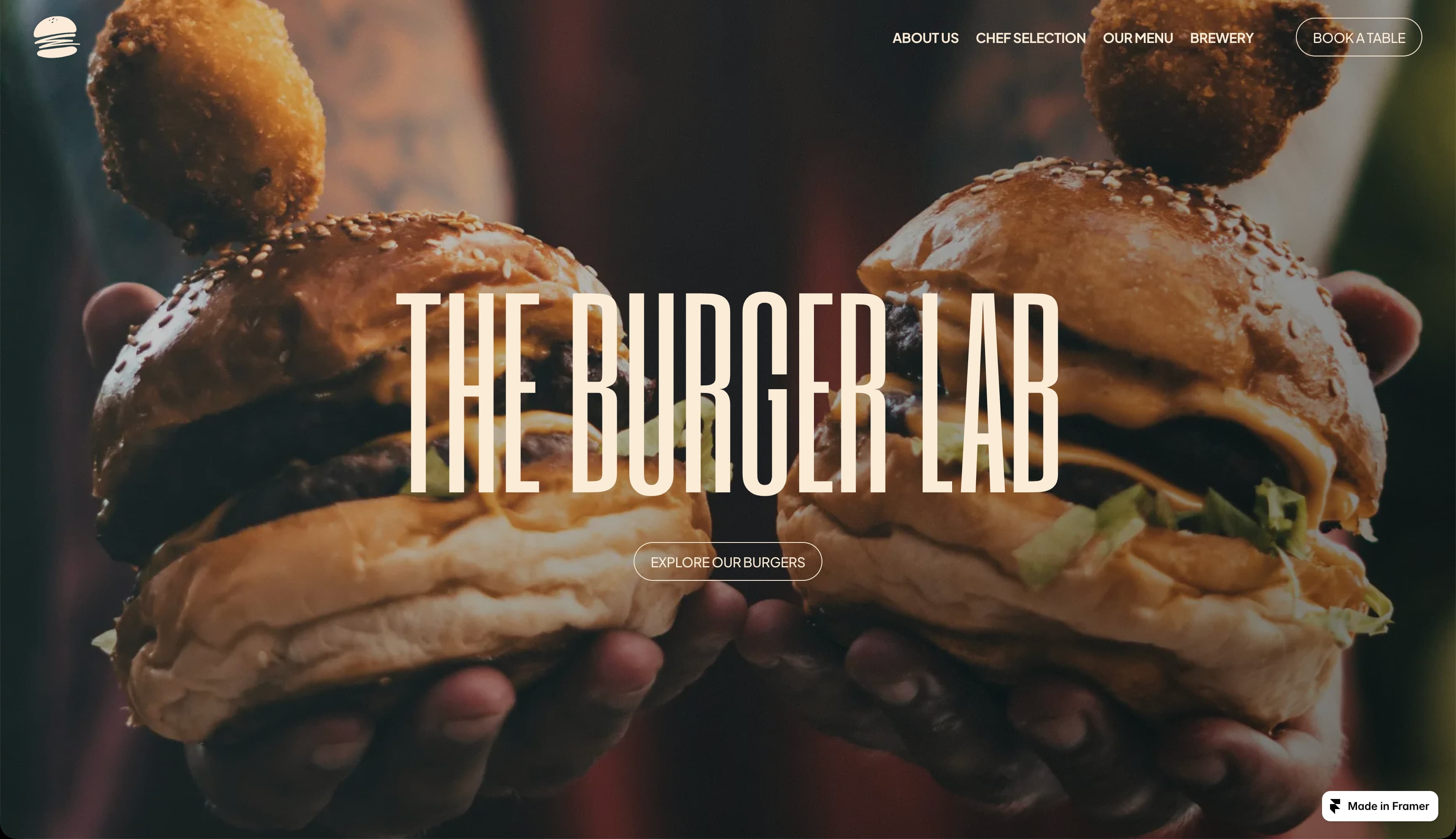
Grillify is all bold moves: motion effects, dramatic visuals, and a CMS you can tweak without breaking anything else across the template. The scrolling feels cinematic, keeping your attention on its high-quality photos before moving you toward key actions, like ordering food delivery or making a reservation.
Best for: Burger joints or BBQ restaurants with a larger-than-life personality and lots of revenue from takeout or online orders.
12. Luxdin
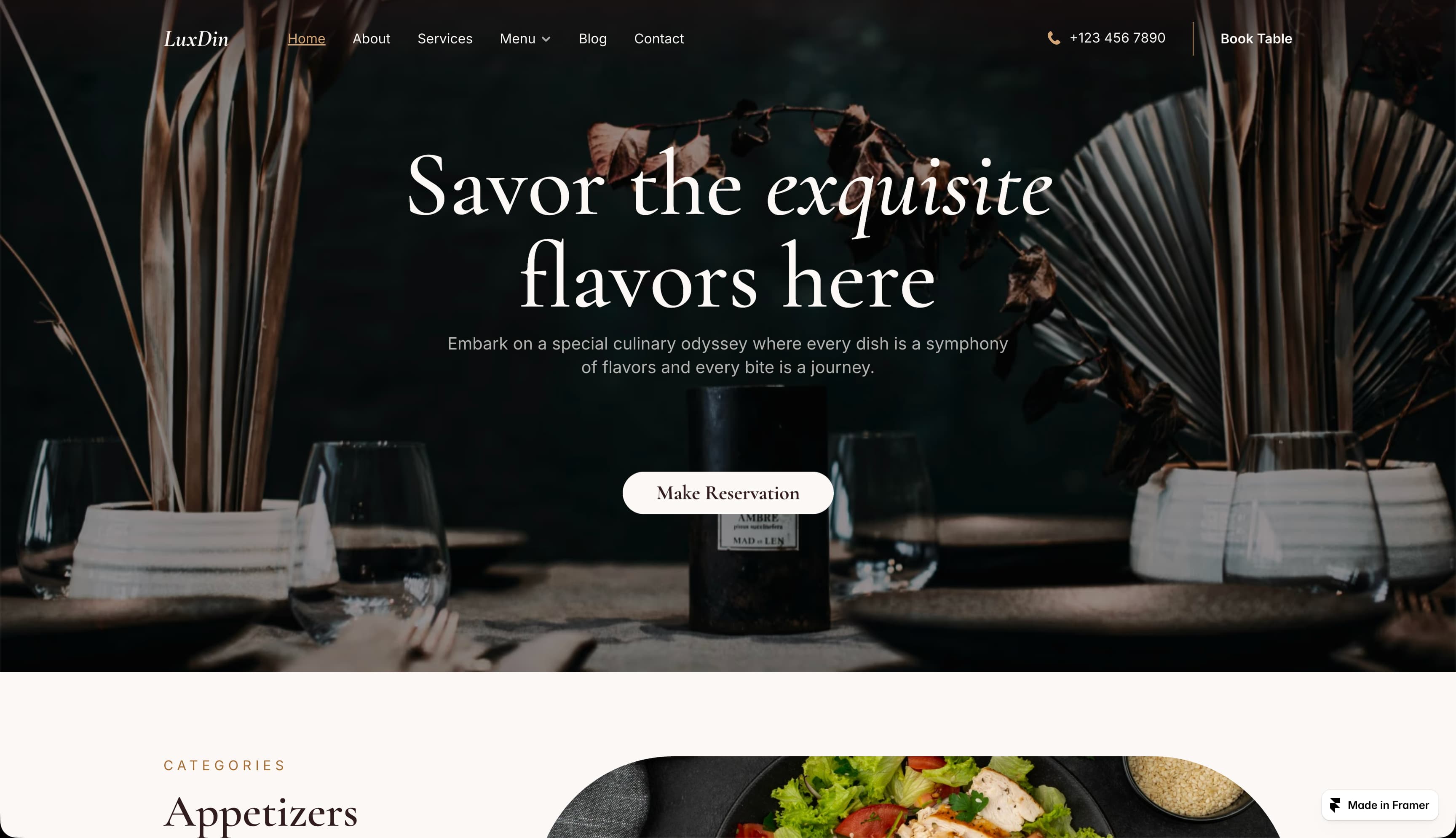
Dark sage greens, rich gold accents, and a sense of elegance transport you to old-money establishments in downtown Los Angeles. These are just a few of the ways Luxdin is designed to scream “luxury dining” without needing a single word of copy. With its 13-page layouts, it’s also as practical as it is pretty to have all the landing pages and built-in features needed for a favorite restaurant website design.
Best for: Upscale steakhouses or Michelin-level fine dining.
13. Qitchen
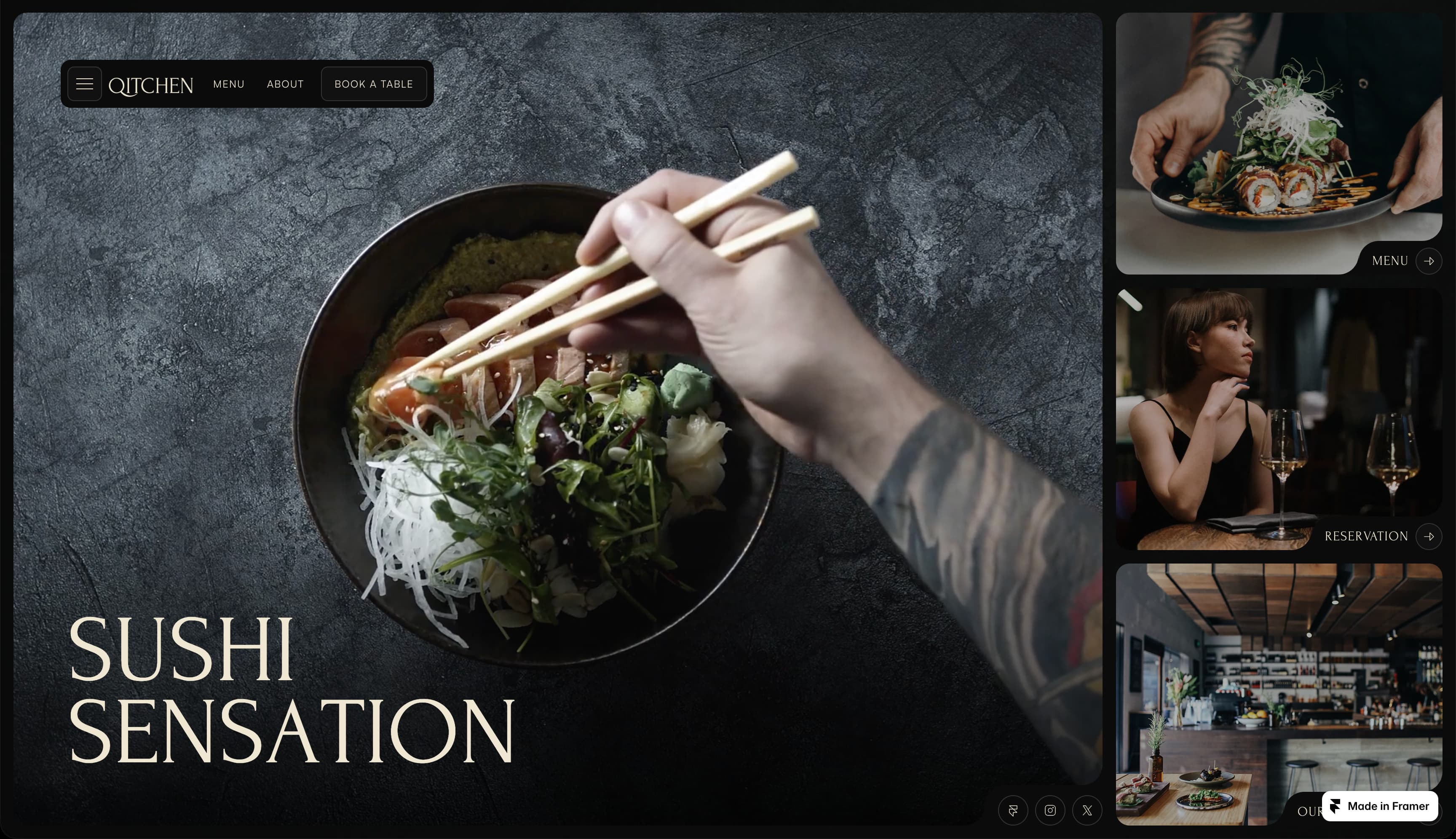
Qitchen is versatile and free (yes, free). It’s clean, customizable, and beginner-friendly, making it a great starting point if you’re building on a budget. Sophisticated doesn’t have to mean pricey.
Best for: Local cafés, pop-up restaurants, or first-time food entrepreneurs.
14. Patty
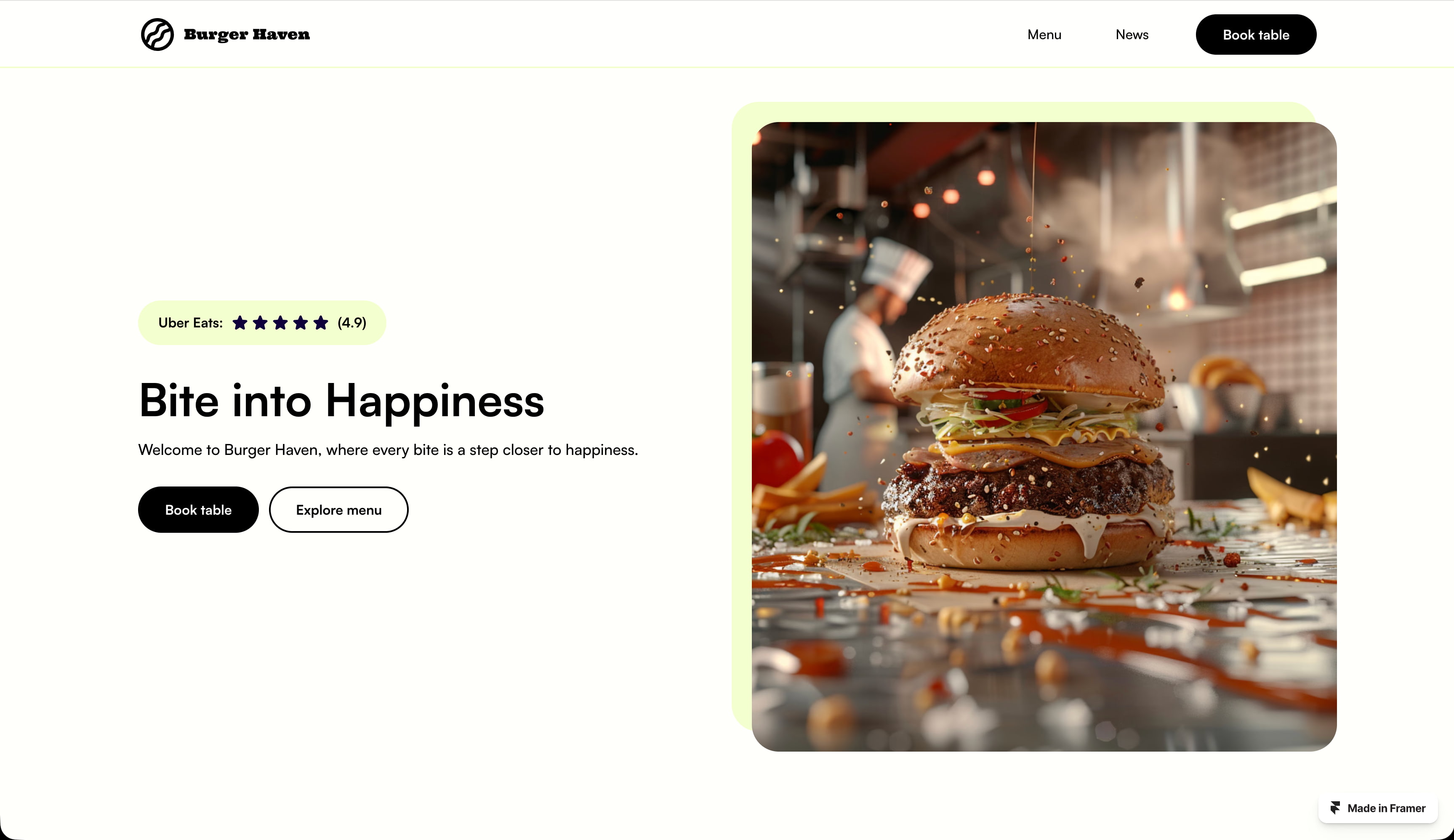
Patty does one thing really well: showcasing menus. It keeps everything clean and focused on menu ordering so the food, and its purchasing, remains the hero. On mobile, it’s design feels even smoother, which is ideal considering this is how most customers today actually look you up.
Best for: Diners, burger spots, or fast-service restaurants.
15. Craving
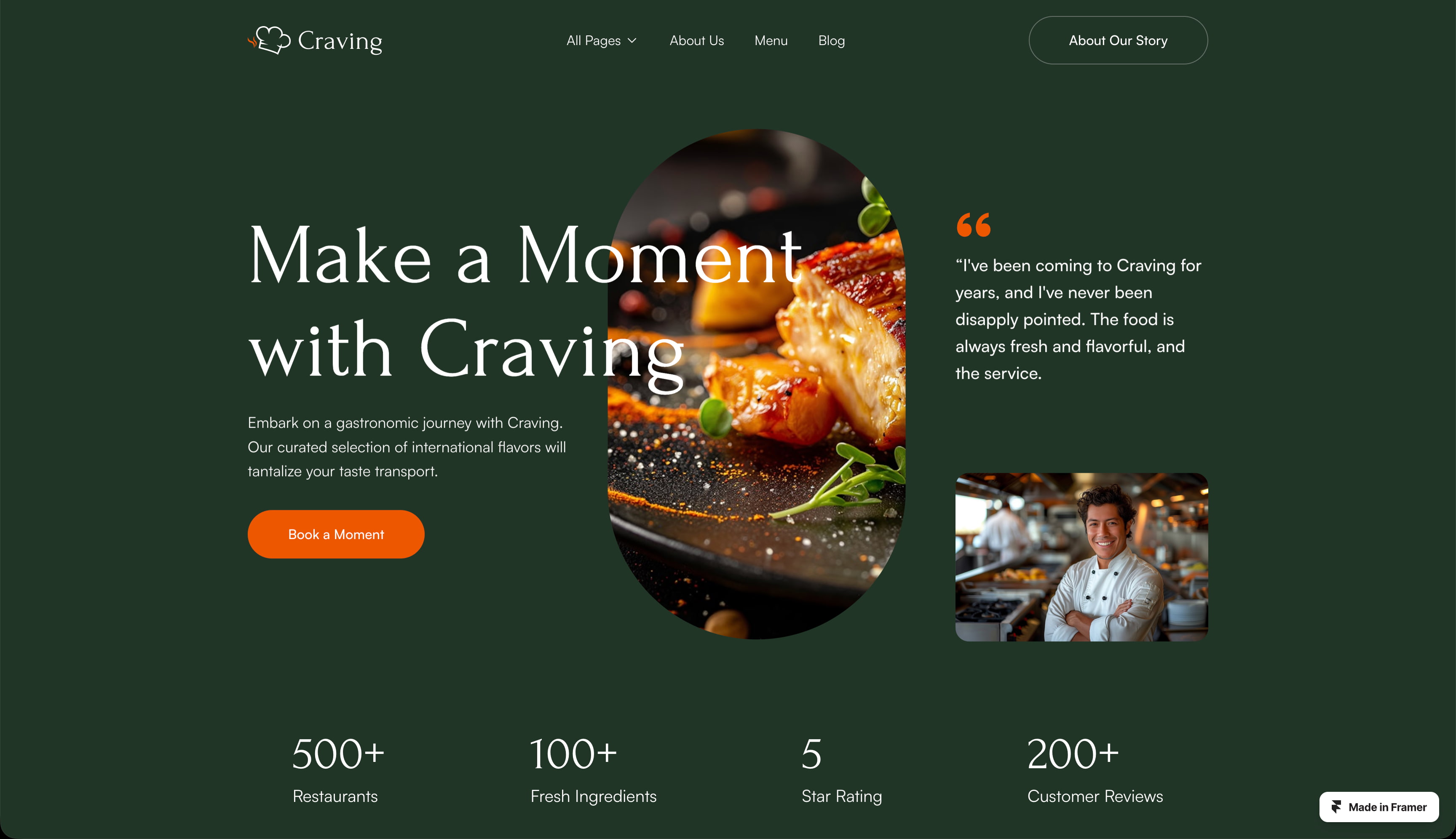
Craving is basically a full-stack restaurant solution. Menu? Check. Reviews? Check. Blog for content and email marketing? Check. It’s the all-in-one template for restaurants that are serious about building a lasting brand and a loyal community inside their walls—and beyond.
Best for: Trendy restaurants with active foodie audiences, a packed social calendar, and lots of social media hype to back it up.
16. Bamzi
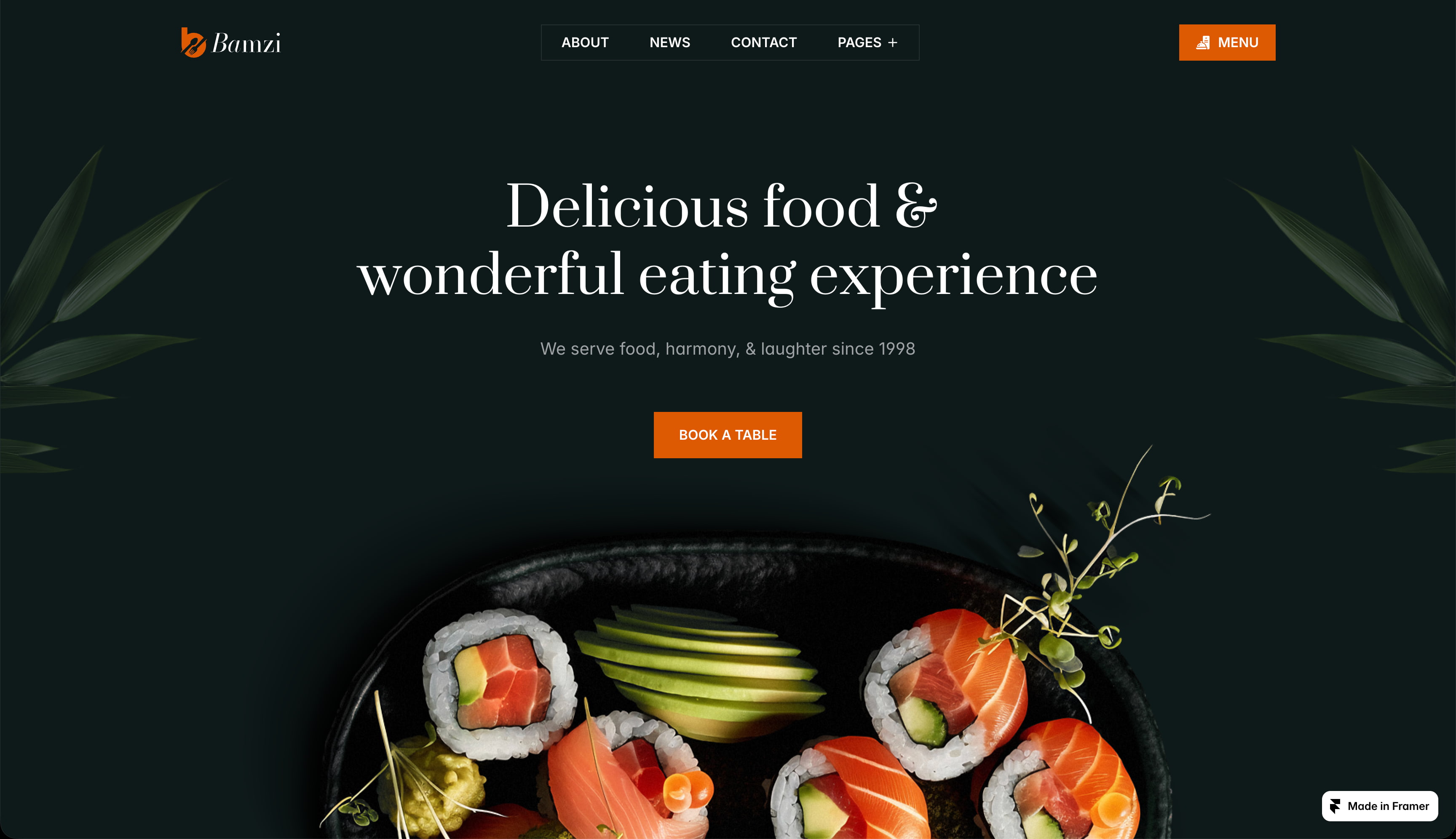
Bamzi tells your restaurant’s story with sleek visuals and ties it all together with a built-in reservation system. It’s optimized for search engines too, so you’re not just pretty. You’re findable.
Best for: Restaurants that want to blend ambiance with growth strategy.
17. Armora
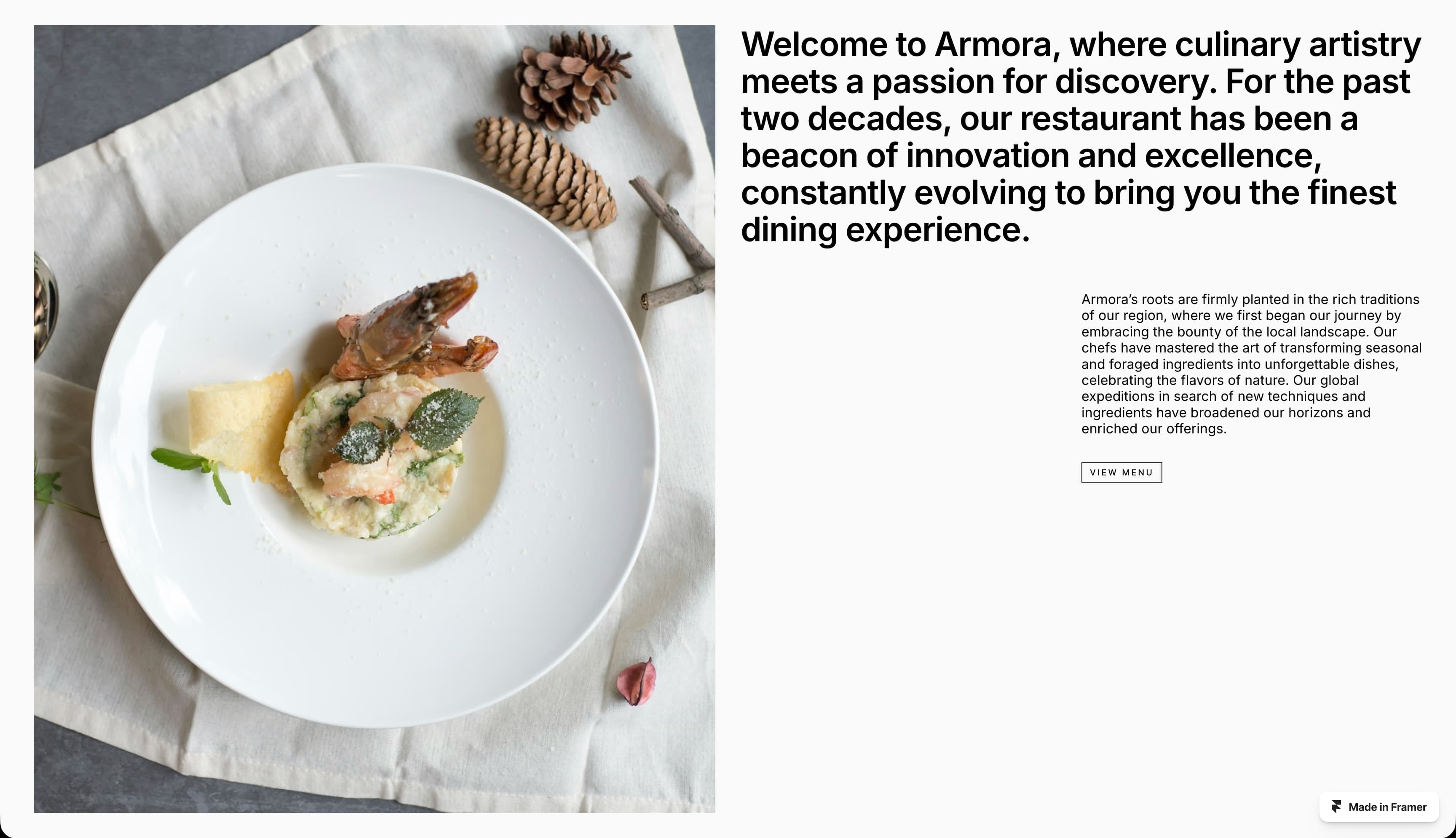
Armora keeps design minimal, focusing on ample brand storytelling elements packaged in a stylish but straightforward layouts. With CMS built in, you can keep menus updated in real time, share recipes and backstories, and call out exciting seasonal specials.
Best for: Contemporary restaurants or minimalist eateries with focused, carefully curated rotating menus.
18. NoirNosh
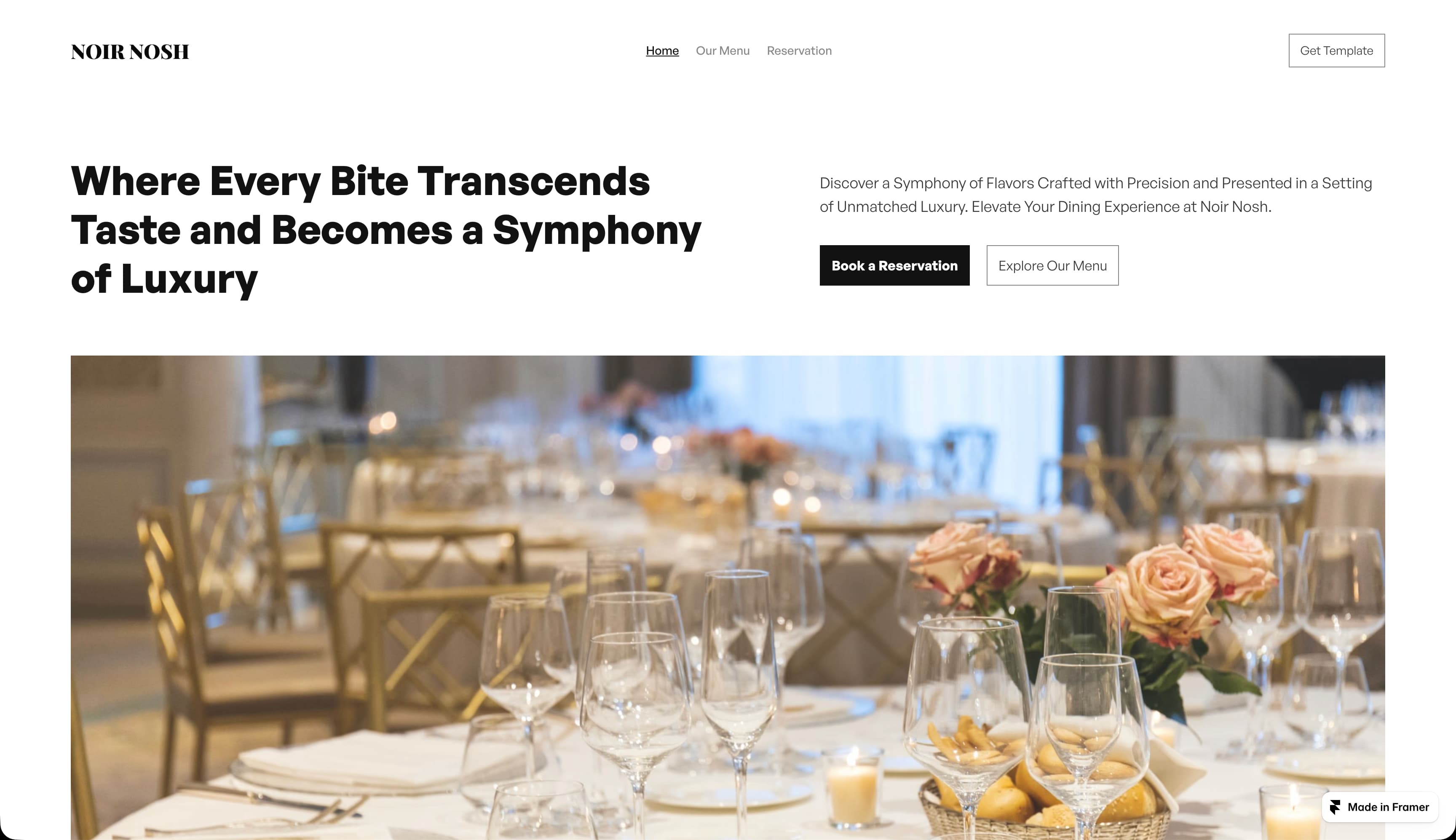
NoirNosh turns sophistication up to 11 with its black-and-white palette and refined typography. This template is less casual dining and more “here’s the ideal wine pairing we recommend with this entrée.”
Best for: Fine-dining establishments, exclusive supper clubs, steakhouses, and high-end luxury pop-ups looking to make a lasting impression.
19. Tangerine
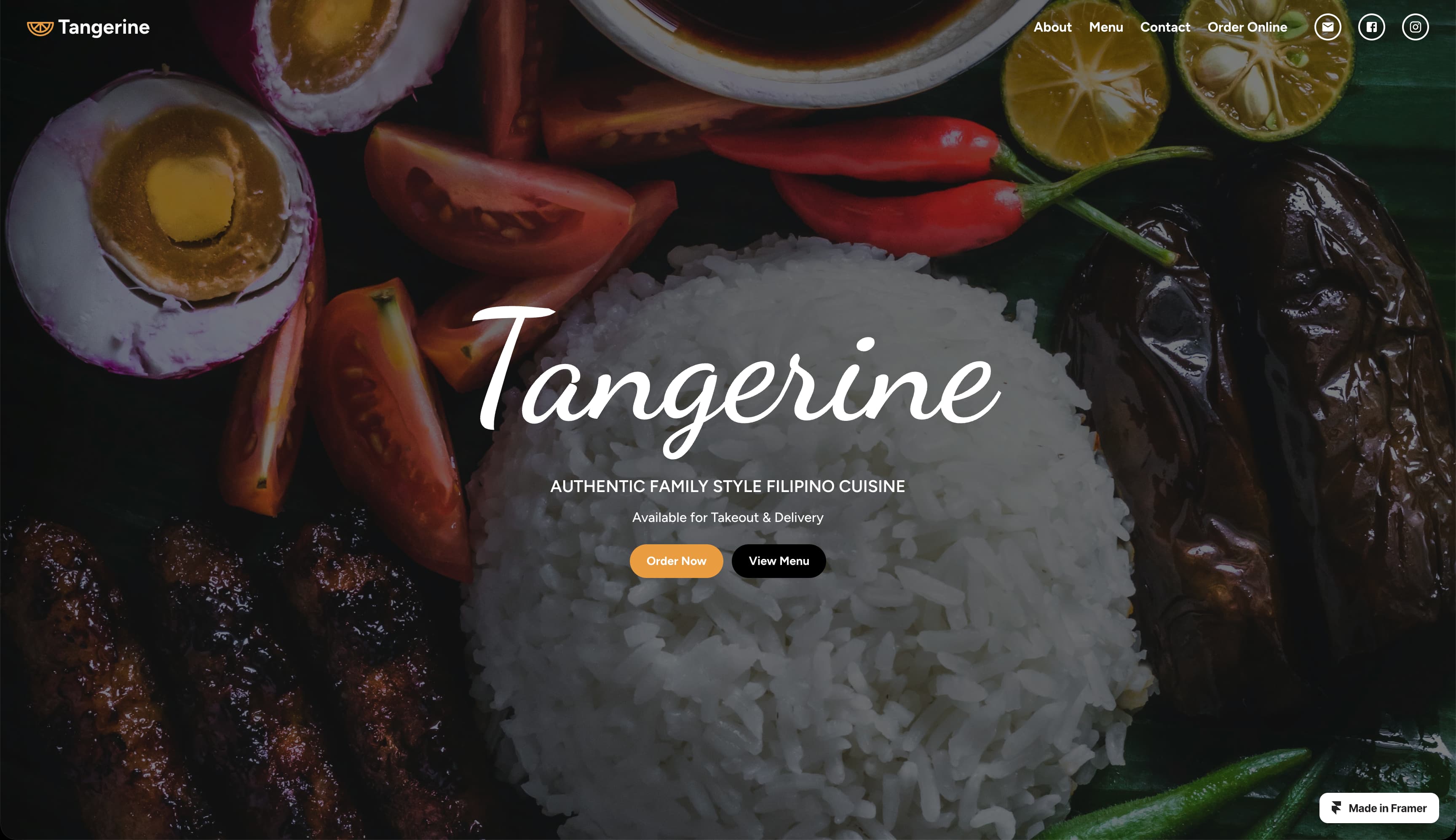
Tangerine is bright, cheerful, and flexible. Its CMS makes it easy to update seasonal menus or show off specific high-impact dishes, while its embedded reservation features keep dining-room conversions rolling. It’s a clean template with a ton of versatility applicable to most restaurant niches.
Best for: Casual eateries, cafes, juice bars, brunch restaurants, or themed pop-ups with lots of personality.
20. Grace
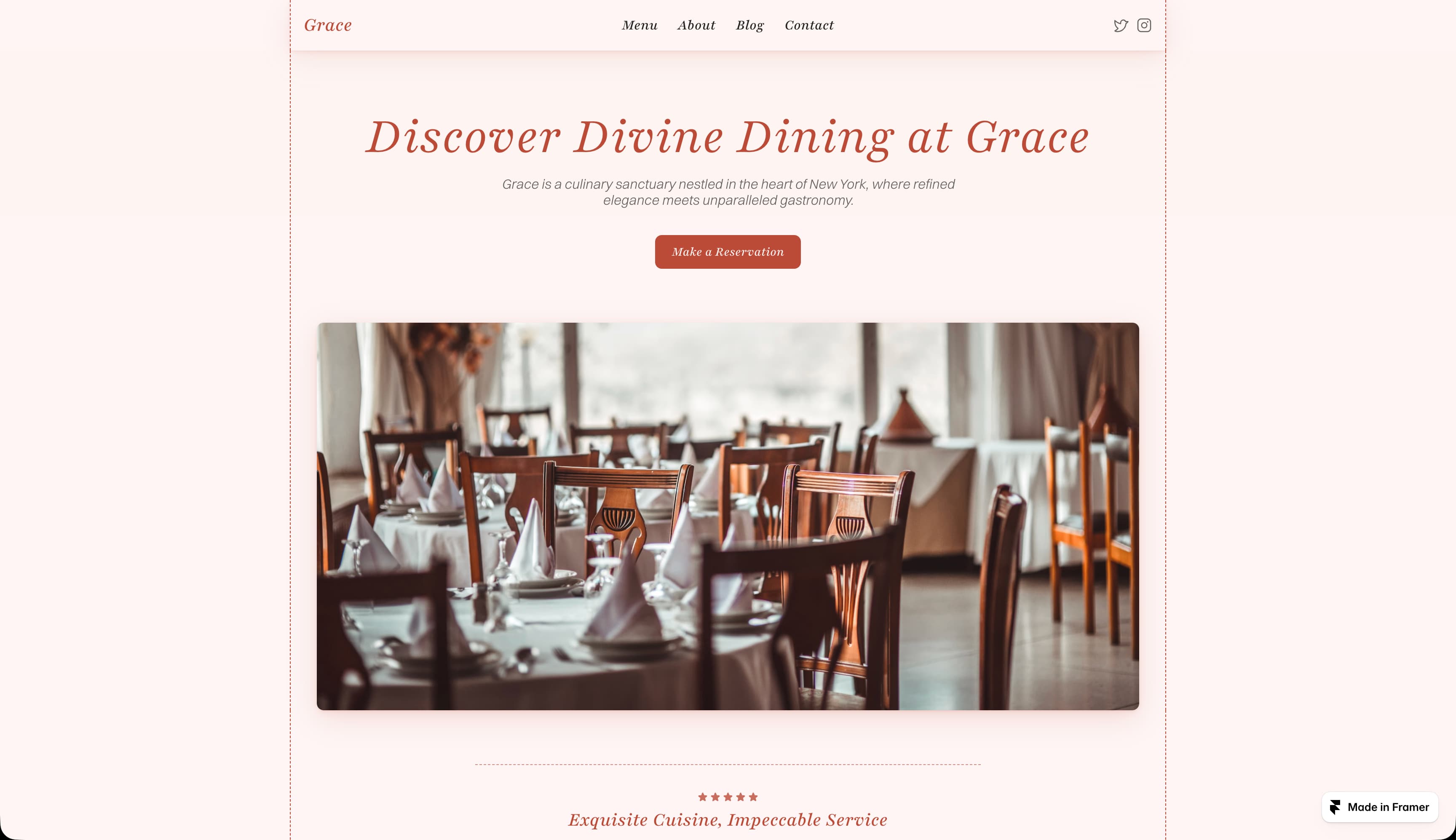
Grace is a restaurant website template that defines culinary elegance. With refined layouts and space for big, beautiful food imagery, it’s designed to position your restaurant as the premium dining option.
Best for: High-end restaurants, chef-driven tasting menus, vineyard or winery dining establishments.
How to design a restaurant website
So, what should your restaurant website actually include? Think of it like designing your dining room: everything should guide the guest toward the experience you want them to have. Let’s break it down.
Prioritize mobile-first design
Most people find you on their phone—in the car, walking down the street, or sneaking a peek at lunch. Customers often search for dining options, view menus, and book tables while they are on the go.
Designing for mobile first involves creating the layout for the smallest screen and then adapting it for larger tablet and desktop displays. This methodology, known as progressive enhancement, ensures that core functions work correctly on a phone regardless of its screen size. That mobile-first design ensures hungry patrons get the info they need (menu, hours, location, reservation button) without pinching and zooming.
Use large touch-friendly buttons so “Reserve” doesn’t turn into “Oops, I clicked the logo.”
Keep navigation simple with a familiar hamburger menu button or clear menu-section-specific tabs.
Optimize landing page loading speeds so nobody bails mid-order.
Create a stimulating visual hierarchy
It has to be said: If your restaurant’s food photos don’t make viewers salivate, your design has gone awry.
Investing in professional photography is non-negotiable, as is designing your site around these high-quality visuals. Place signature dishes front and center, provide image alt texts, use warm color accents and intentional descriptions to trigger appetite. Let the whitespace of your page give your plates and drinks the visual center stage.
Streamline menu presentation and navigation
The menu is typically your most visited page on your entire restaurant’s website. So, its accessibility, contact information flow, and responsive presentation matter a great deal.
Skip the PDF menus. Downloadable files feel clunky in 2026 and create unnecessary friction for hungry diners. Instead, build a native web menu using semantic HTML with clear categories, menu item pricing, and notes for dietary needs. Bonus points for additional user-friendly filters (e.g., vegan, gluten-free, etc.) and the ability to favorite items.
Implement seamless reservation and ordering systems
Reservations and online orders are where browsers turn into revenue-driving regulars. Your restaurant’s website has to make the reservation experience absolutely seamless and painless from the very first click:
A visible “Book a Table” button
Easy-to-use input boxes (i.e. to add party size, special events, etc.)
A clean, responsive calendar with available times
A checkout flow with as few steps as possible
Confirmation emails or texts add a pro touch–communication is part of the online experience.
The same goes for how diners order online. Use prominent CTAs so hungry patrons can immediately access an online order portal without having to click-through multiple pages.
Showcase your restaurant’s story and atmosphere
Your restaurant’s website ought to communicate its atmosphere just as much as it shows off things like your appetizers. That happens with a staple aesthetic, yes, but also through featured content choices.
Generously embed photos of your space, your staff, and even your head chef plating dishes. Mention the staff’s favorite foods or drinks from the current menu. Show off happy past diners and the moments that make your restaurant worth visiting. All these vibe-amplifying photos and personal touches work especially well when placed in the hero sections of your key pages.
Don’t forget a compelling, personal “About Us” page, too. This is where you spotlight your restaurant’s story, giving diners a reason to choose and remember you over the competition.
Optimize for local search and discovery
People Google “best tacos near me,” not “ambiance-driven culinary experiences.” That makes localized SEO especially big for restaurant discovery. You must also make sure you’re clearly displaying operating hours, nearby parking, and any other contact details, including social media links.
Also, use schema markup so search engines know your cuisine type, keep your hours updated in real-time, and sprinkle in local keywords (details like the specific neighborhood’s name do wonders for search visibility).
Integrate social proof and customer reviews
Diners trust other diners more than they trust you. It’s all the more reason to prominently feature diners’ reviews and testimonials, or even live feeds from popular third parties like Google Reviews, Yelp, or OpenTable.
Likewise, encourage hashtags so user-generated social media content becomes part of your restaurant’s digital marketing arsenal. It all adds up to some seriously persuasive social proof.
Ensure fast loading speeds and performance
You know just as well as anyone that hungry people have zero patience. Compress images, keep site code purposeful and clean, and host on a reliable platform that can handle a Friday night rush. Slow sites will decrease your online orders, reservation numbers, and overall rankings.
Restaurant website checklist
Before launch, make sure a hungry visitor can find all of this in seconds:
Menu: a fast, readable web page with prices, not a PDF
Reservations: a booking button visible from every page
Location and opening hours: in the header or footer, kept current
Dietary details: vegetarian, vegan, and allergen information on the menu itself
Local discovery: consistent name, address, and phone details, plus the local SEO basics that put you in “near me” searches
Mobile ordering: one tap from the homepage to the order flow
Reviews: recent diner reviews or ratings near the booking action
Speed matters here as much as anywhere: compress images and keep pages light, because hungry visitors won’t wait.
Build your restaurant website with Framer
You don’t need to be a design wizard to create a killer restaurant website. Framer’s Marketplace offers over 2,000 templates, including dozens of food-specific designs you can customize without any coding. Each template includes the essentials—menus, reservations, contact pages—plus CMS integration so you can update dishes, prices, and events on your own.
These templates are built on proven design patterns by professional designers. They load fast, look polished, and convert visitors into customers. Ready to build a digital presence that truly represents your restaurant? Sign up for free and start exploring templates for your restaurant’s site.
